

Communication Subsystems Intersatellite Link
Gamalink
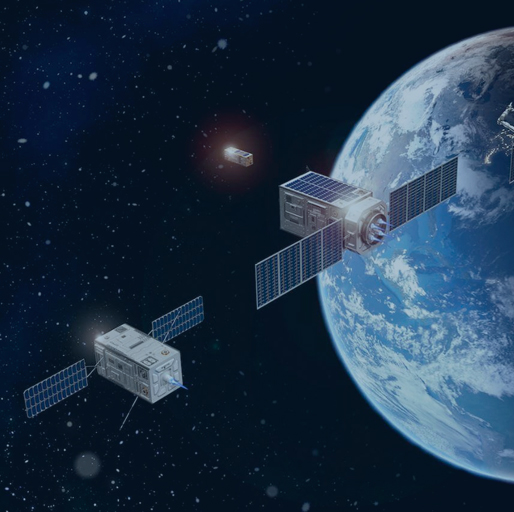
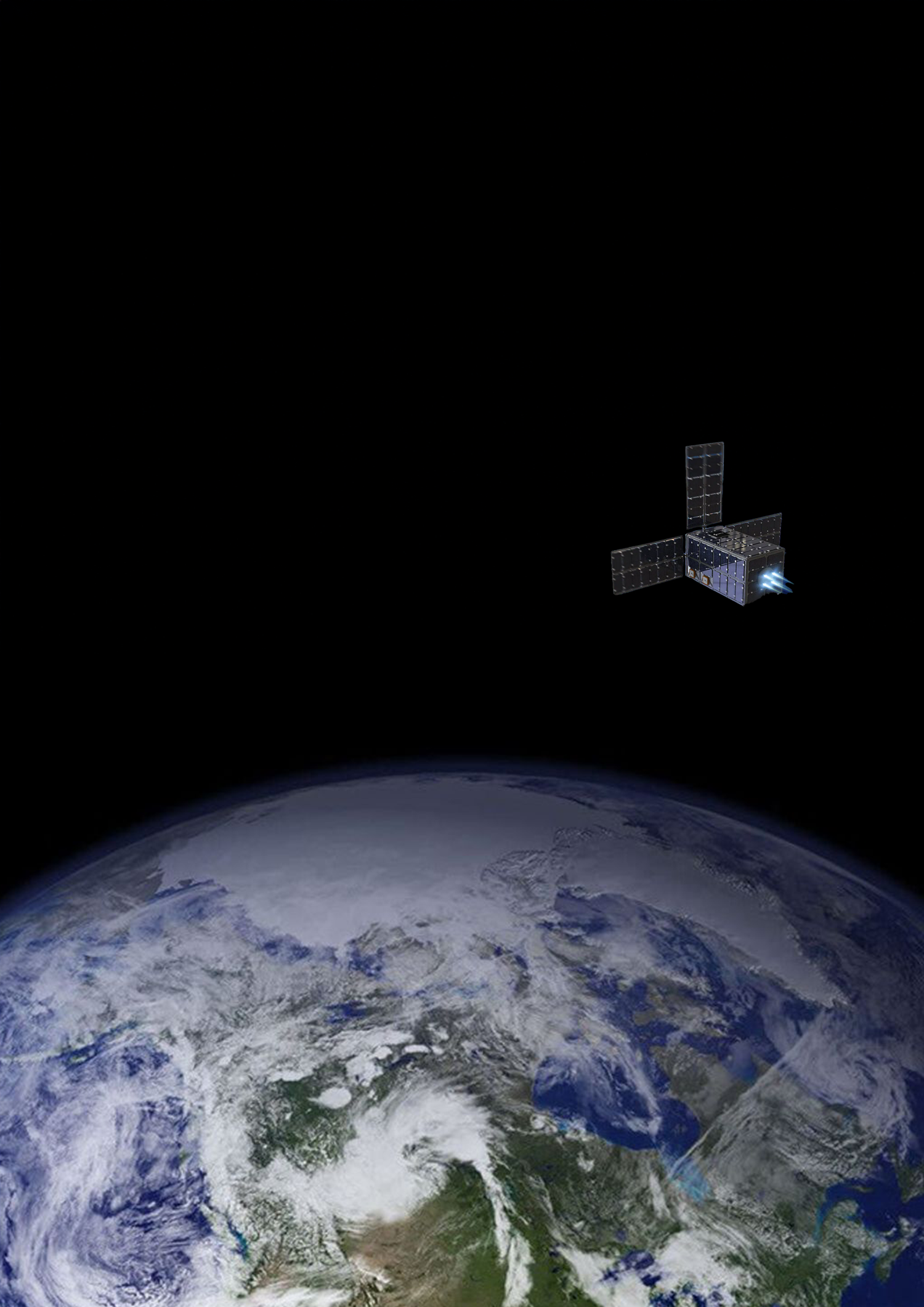
GAMALINK is one of the most advanced and flexible software-defined radios on the market. It provides simultaneous support for multiple types of ground and inter-satellite links. It is characterized with high flexibility in frequency allocation, robust RF protocol, ranging measurements and correlation mechanisms embedded in the data communications and networking features allowing different topologies and data relaying. GAMALINK is the technology enabler for creating a unique communications network incorporating not only the space, but also the ground segment.
Check SpecsSynthetic Aperture Radar
Gamasar
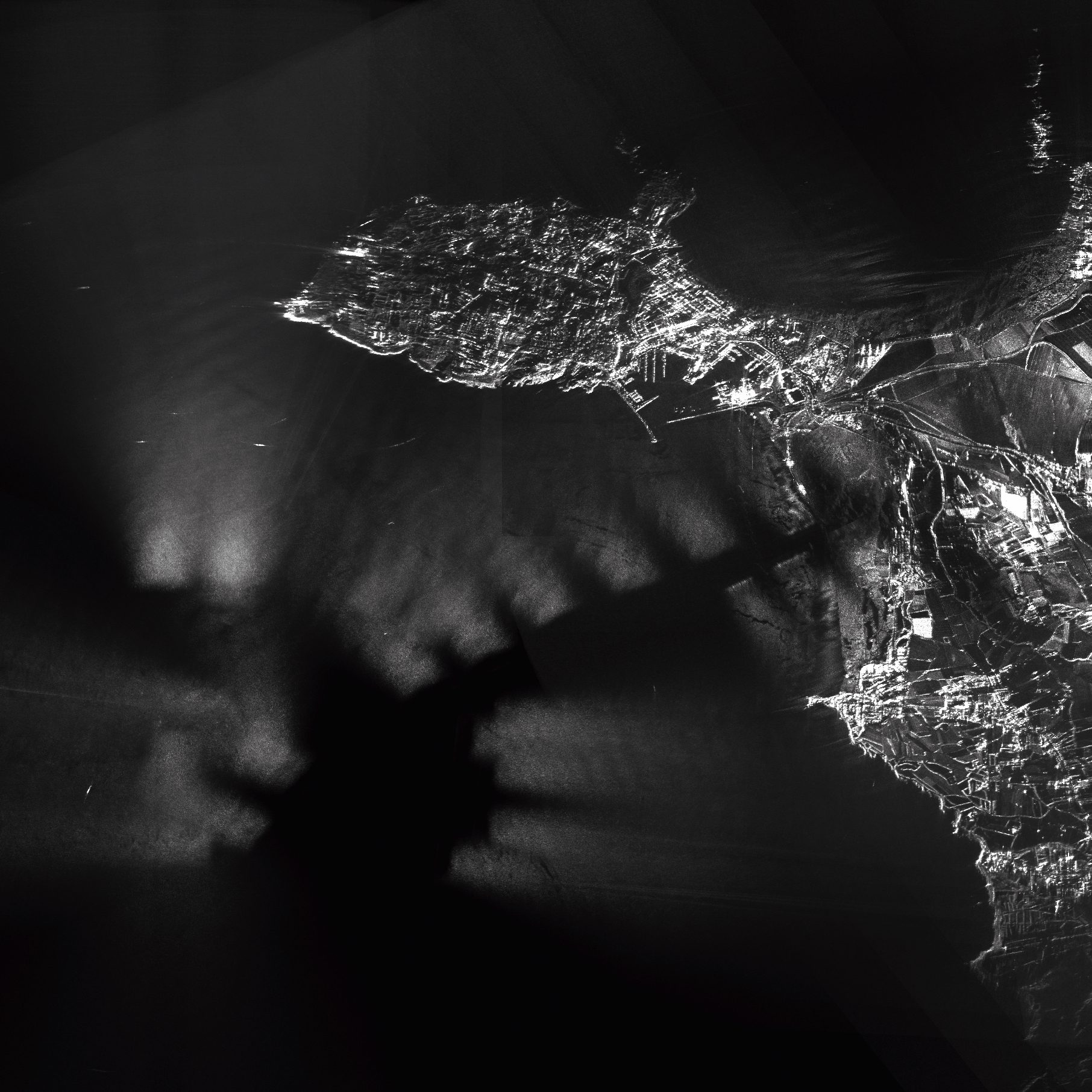
GAMASAR technology provides cloud- penetrating and light-independent capability to capture key terrain data for security applications, resource management, environmental monitoring and others. Identification and rapid response to environmental or event-based phenomena (e.g. oil spill, forest fire) is invaluable in situations of emergency. Flexibility of TEKEVER solution allows installation in any platform of choice: either UAV or SAR-enabled satellite, providing users with low-latency data upon mission request.
Communication Subsystems Intersatellite Link
Gamalink
GAMALINK is one of the most advanced and flexible software-defined radios on the market. It provides simultaneous support for multiple types of ground and inter-satellite links. It is characterized with high flexibility in frequency allocation, robust RF protocol, ranging measurements and correlation mechanisms embedded in the data communications and networking features allowing different topologies and data relaying. GAMALINK is the technology enabler for creating a unique communications network incorporating not only the space, but also the ground segment.
Check Specs
Synthetic Aperture Radar
Gamasar
GAMASAR technology provides cloud- penetrating and light-independent capability to capture key terrain data for security applications, resource management, environmental monitoring and others. Identification and rapid response to environmental or event-based phenomena (e.g. oil spill, forest fire) is invaluable in situations of emergency. Flexibility of TEKEVER solution allows installation in any platform of choice: either UAV or SAR-enabled satellite, providing users with low-latency data upon mission request.






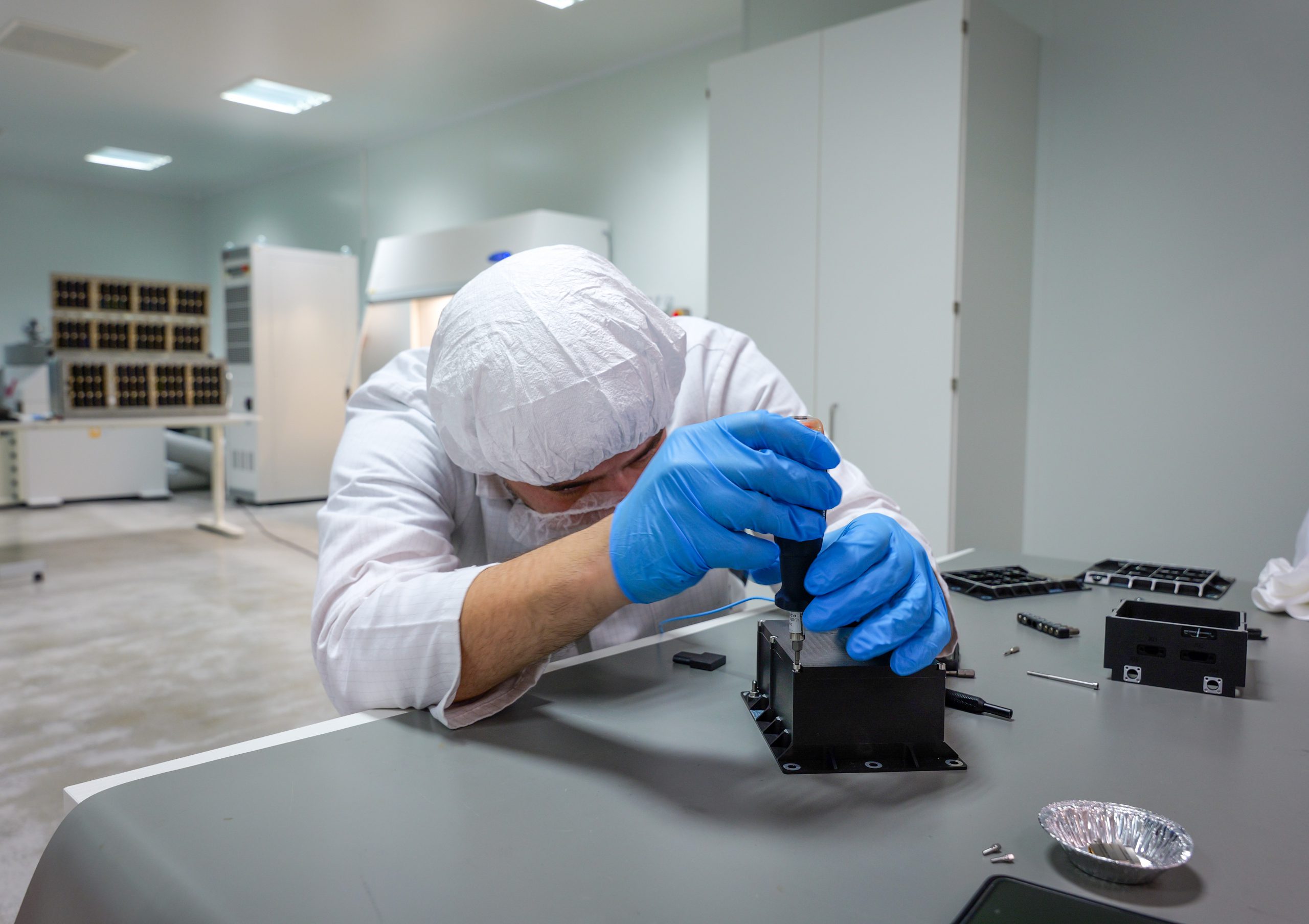
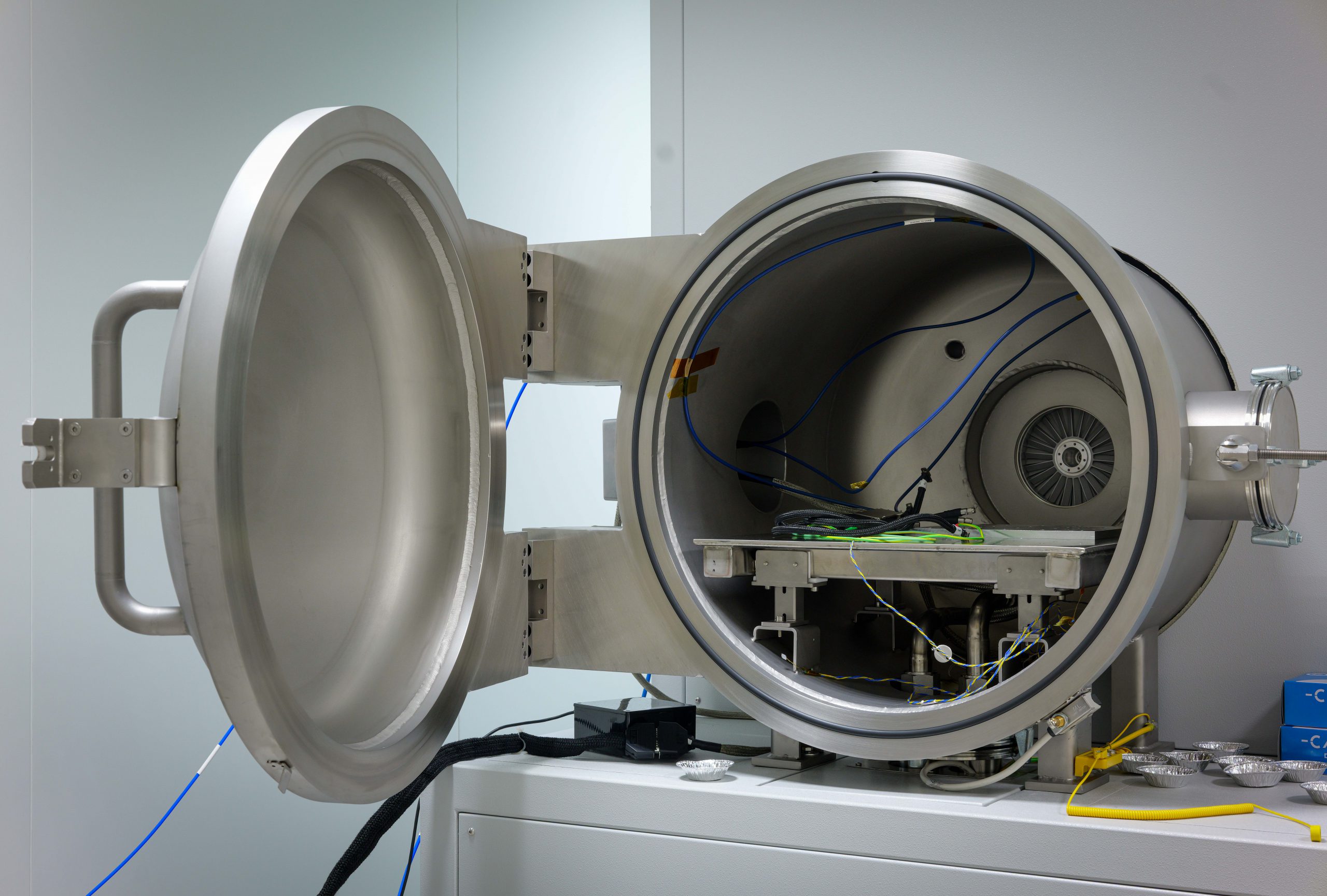
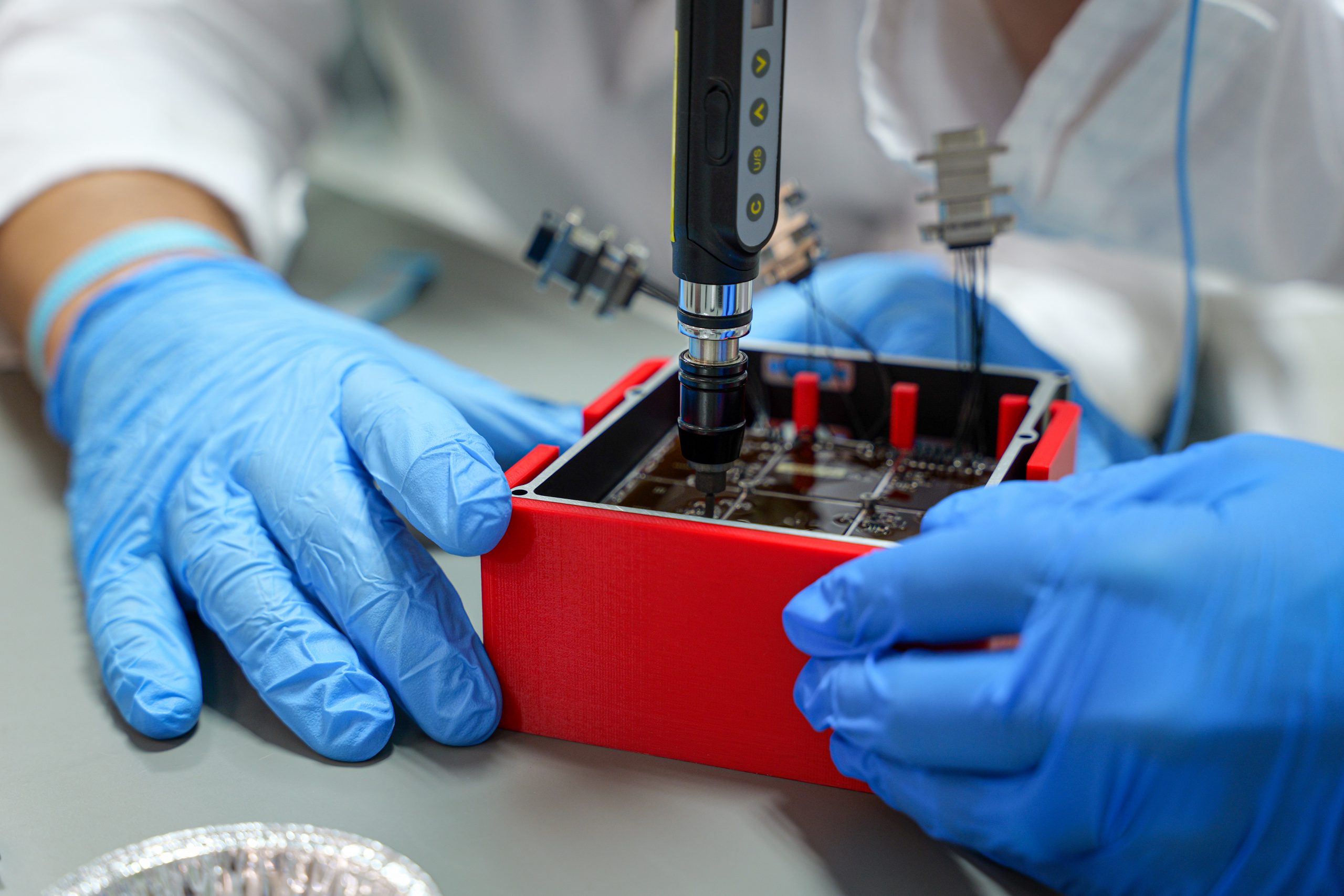
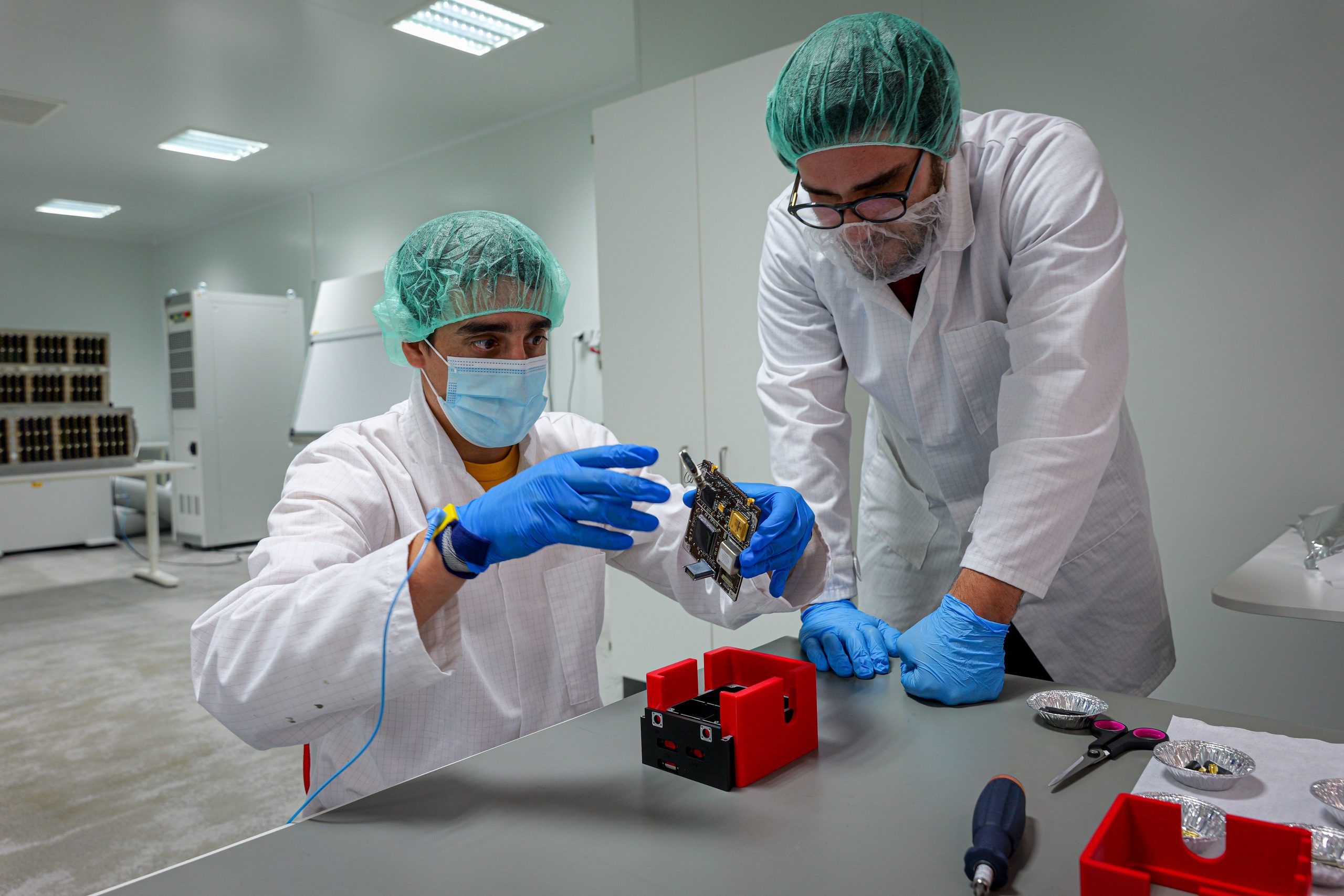
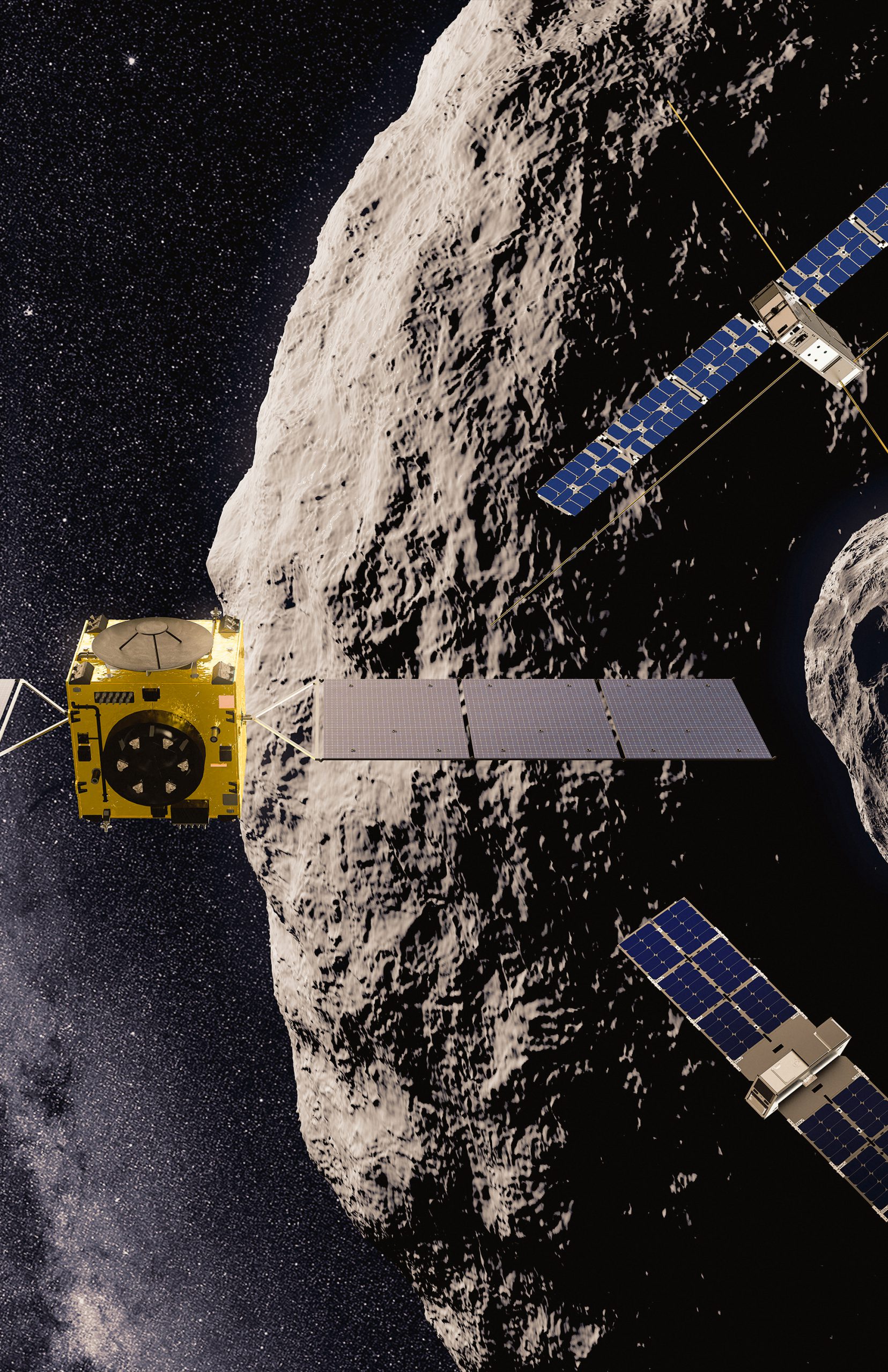
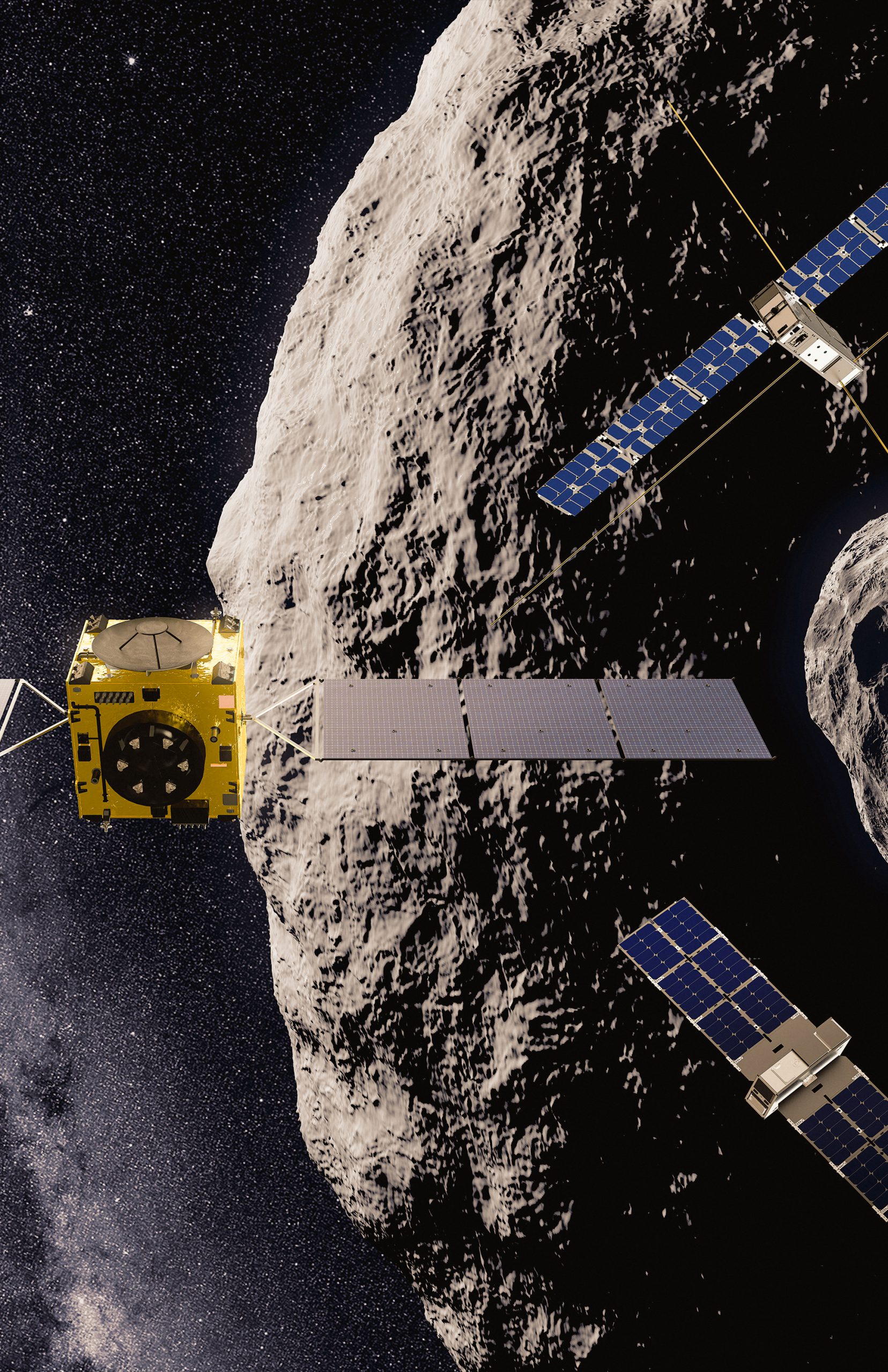
TEKEVER is providing Inter-Satellite Link (ISL) technology for ESA’s Hera mission, supporting robust communications and relative positioning within the mission architecture. Hera launched in October 2024 and has since completed key early mission milestones, including a Mars flyby in March 2025, as it continues its journey to the Didymos system.
Hera will rendezvous with the binary asteroid system in 2026 to assess the aftermath of NASA’s DART impact and to gather critical data on the structure, mass and dynamics of Dimorphos and Didymos. TEKEVER’s ISL capability helps enable coordinated spacecraft operations and precise measurements, supporting Europe’s planetary defence objectives.
ESA HERA MISSION
TEKEVER will provide its Inter-Satellite Link (ISL) technology for the ESA Hera Mission. The ESA’s Hera spacecraft is set to journey to Didymos, a 780-meter-diameter asteroid, in November 2024. Its mission is to assess the aftermath of the collision between NASA’s DART spacecraft and Dimorphos, a moonlet orbiting Didymos, which is scheduled for September 26, 2022. Hera is expected to reach the two asteroids in late 2026 and will gather critical data, including the size of DART’s crater and the mass and structure of Dimorphos. TEKEVER’s ISL technology deploys a communications and relative positioning infrastructure, enabling the three satellites involved in the mission to communicate with each other and make more precise measurements. This unique capability of combining communications and position determination in a single piece of equipment will be an essential component of the Hera Mission. The data collected during this mission will be crucial in advancing our understanding of kinetic impact, potentially leading to a repeatable and well-understood planetary defense technique that can protect the Earth from inbound asteroids in the future. read moreESA PROBA-3 MISSION
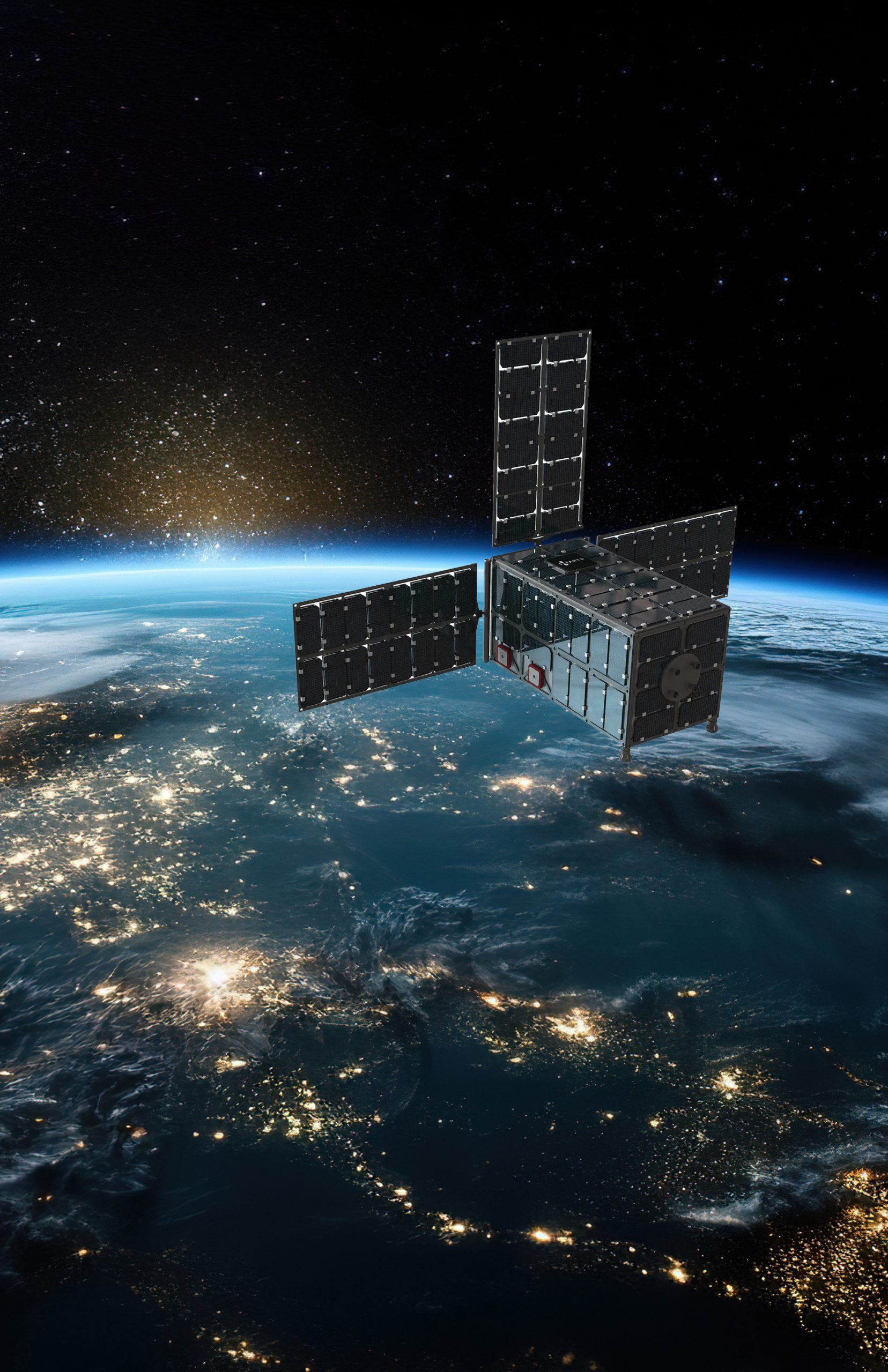
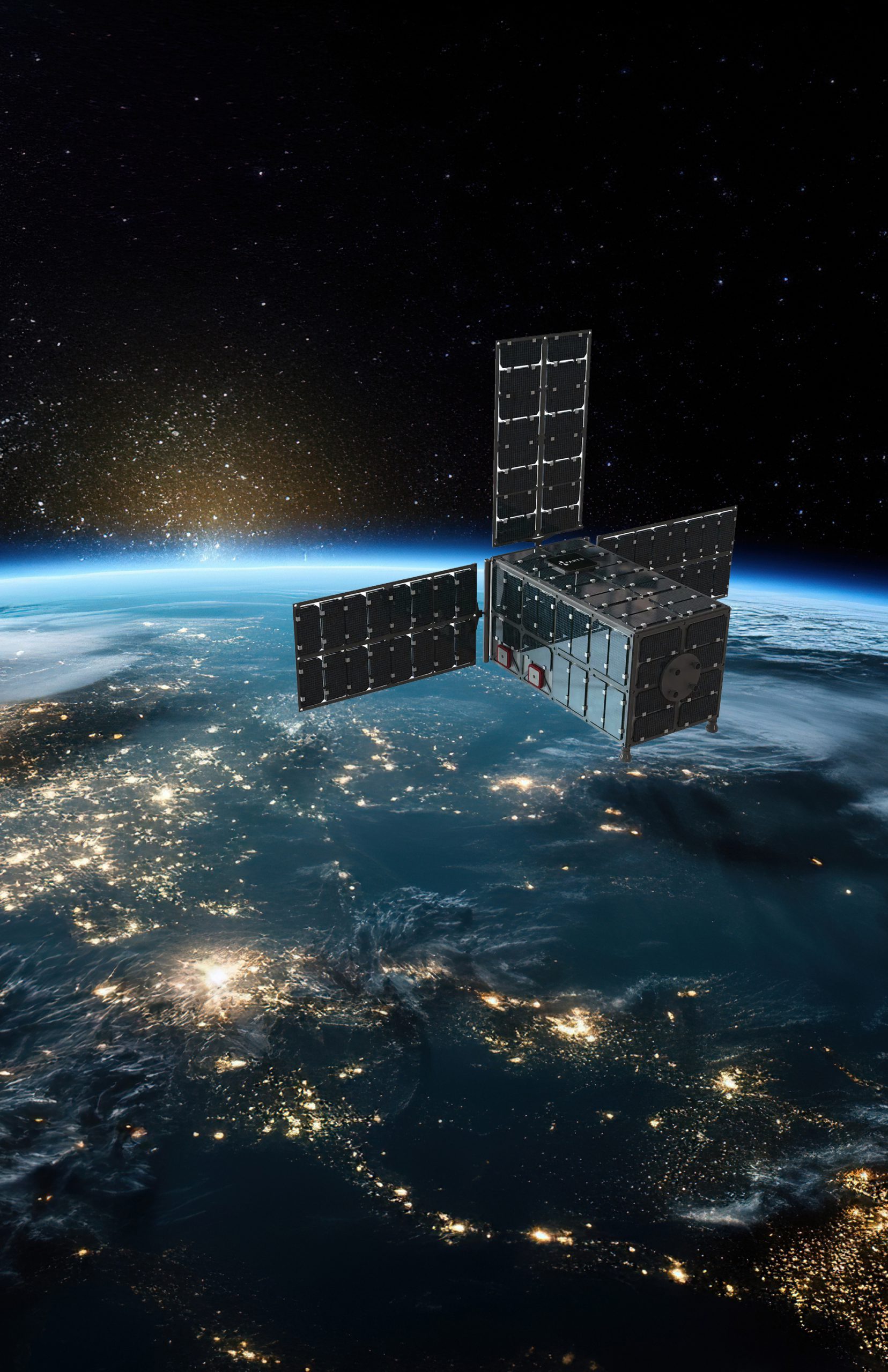
TEKEVER is also involved in the ESA PROBA-3 Mission, providing the Inter-Satellite Link critical subsystem based on GAMALINK technology for the validation of formation flying technologies. PROBA-3 is the third small satellite technology development and demonstration precursor mission within ESA’s GSTP (General Support Technology Program) series. The primary mission objective is to demonstrate the technologies required for formation flying of multiple spacecraft in the fields of space science, Earth Observation, and surveillance. This involves the in-orbit validation of new Formation Flying (FF) techniques and technologies through a series of precision FF maneuvers, including formation acquisition, high-precision pointing, reorientation, maintenance, resizing, rotation, and slew. Achieving precise formation flying opens up a whole new era for science and applications. Future missions could be assembled on a much larger scale. Applications of interest include Earth observation as well as in-orbit satellite servicing. read more
ESA HERA MISSION
TEKEVER will provide its Inter-Satellite Link (ISL) technology for the ESA Hera Mission. The ESA’s Hera spacecraft is set to journey to Didymos, a 780-meter-diameter asteroid, in November 2024. Its mission is to assess the aftermath of the collision between NASA’s DART spacecraft and Dimorphos, a moonlet orbiting Didymos, which is scheduled for September 26, 2022. Hera is expected to reach the two asteroids in late 2026 and will gather critical data, including the size of DART’s crater and the mass and structure of Dimorphos. TEKEVER’s ISL technology deploys a communications and relative positioning infrastructure, enabling the three satellites involved in the mission to communicate with each other and make more precise measurements. This unique capability of combining communications and position determination in a single piece of equipment will be an essential component of the Hera Mission. The data collected during this mission will be crucial in advancing our understanding of kinetic impact, potentially leading to a repeatable and well-understood planetary defense technique that can protect the Earth from inbound asteroids in the future. read more